Choosing the right air conditioning system for your home or business in Mandurah can feel like navigating a maze. Too small, and you’ll be sweating through summer; too big, and you’ll be throwing money away on unnecessary energy bills. This guide will help you understand the key factors that influence the air conditioning in Mandurah needs of your space, ensuring you get the perfect fit for comfort and efficiency.
Beyond just square meterage, several elements play a role in determining the ideal cooling capacity. From insulation levels to window size and even the direction your building faces, understanding these nuances is crucial. Let’s dive into the specifics to help you make an informed decision and find the most effective solution for keeping cool in Mandurah’s climate.
Factors Affecting Air Conditioning Size
Several factors influence the size of air conditioner you need. Ignoring these can lead to an undersized unit that struggles to cool effectively, or an oversized unit that cycles on and off too frequently, wasting energy and potentially causing discomfort.
Room Size and Layout
Naturally, the size of the area you want to cool is a primary consideration. A larger room requires a more powerful air conditioner. However, the layout also matters. Open-plan living areas, for example, might need a different approach than individual, enclosed rooms.
Consider the ceiling height as well. Rooms with high ceilings have a larger volume of air, demanding a higher cooling capacity. A simple calculation involves multiplying the room’s length, width, and height to determine its volume in cubic meters.
Insulation and Windows
Good insulation helps keep your home cool in summer and warm in winter, reducing the load on your air conditioner. Poorly insulated walls and ceilings allow heat to transfer more easily, requiring a more powerful unit to maintain a comfortable temperature.
Windows are another significant factor. Single-pane windows, especially large ones, can let in a lot of heat. Window coverings like curtains or blinds can help, but upgrading to double-glazed windows is an even better solution for improved insulation.
Climate and Sun Exposure
Mandurah’s climate is characterised by hot, dry summers, so the local weather conditions should heavily influence your choice. The amount of direct sunlight your home receives also plays a crucial role. A south-facing room that gets sun all day will require more cooling power than a shaded north-facing room.
Consider the materials your home is built from. Brick homes, for example, tend to retain heat more than weatherboard homes, impacting the overall cooling load. All these factors combine to determine the best air conditioning solution.
Types of Air Conditioning Systems
Once you have a better understanding of the factors affecting your cooling needs, you can explore the different types of air conditioning systems available. Each type has its own advantages and disadvantages, and the best choice for you will depend on your specific requirements and budget.
Split System Air Conditioners
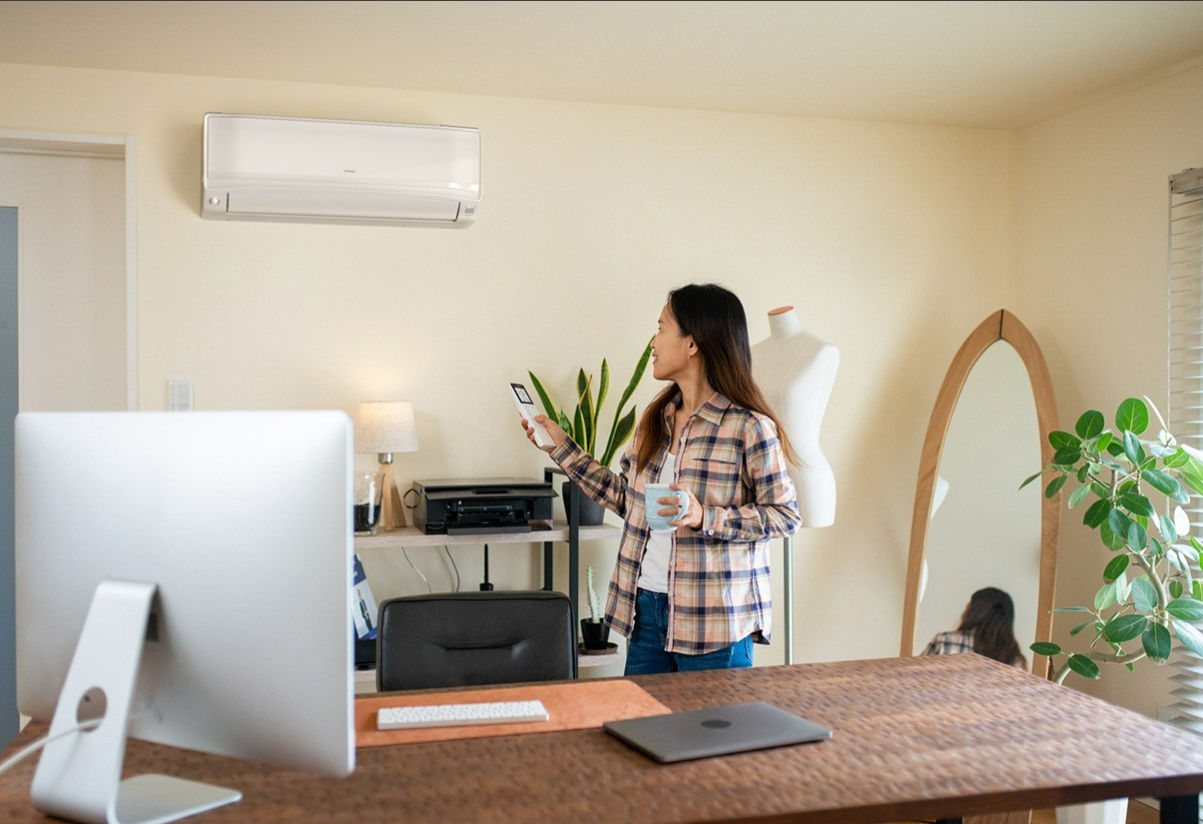
Split system air conditioners are a popular choice for cooling individual rooms or smaller areas. They consist of an indoor unit and an outdoor unit, connected by refrigerant pipes. They are relatively easy to install and offer good energy efficiency. If you’re looking for split system air conditioning services, it’s essential to find a reputable installer.
These systems are known for their quiet operation and individual temperature control, making them ideal for bedrooms or home offices. They are also a cost-effective option for cooling specific zones within your home.
Ducted Air Conditioning Systems
Ducted air conditioning systems provide whole-house cooling through a network of ducts installed in the ceiling or floor. They are more expensive to install than split systems but offer more even temperature distribution and can be more energy-efficient for larger homes. Consider the option of ducted refrigerated air conditioning Mandurah residents find effective.
These systems are discreet, with only vents visible in each room. They offer centralised control, allowing you to set the temperature for the entire house or individual zones. Ducted systems are a great long-term investment for ultimate comfort.
Other Options
Besides split and ducted systems, other options are available, such as window air conditioners and portable air conditioners. Window units are a budget-friendly option for cooling small rooms, while portable units offer flexibility but are generally less efficient.
Evaporative coolers, also known as swamp coolers, are another alternative, particularly suited to dry climates. However, they are less effective in humid conditions. Consider your specific needs and budget when exploring these options.
Calculating Your Cooling Needs
While a professional assessment is always recommended, you can get a rough estimate of your cooling needs by calculating the British Thermal Units (BTUs) required. BTU is a measure of the amount of heat an air conditioner can remove from a room per hour.
Basic BTU Calculation
A general rule of thumb is to use 25 BTUs per square meter of living space. However, this is just a starting point. You’ll need to adjust this figure based on the factors mentioned earlier, such as insulation, window size, and sun exposure.
For example, if you have a 20-square-meter room with good insulation and average sun exposure, you might need an air conditioner with 500 BTUs (20 x 25). However, a poorly insulated room with large windows might require a unit with 700-800 BTUs.
Professional Assessment
The most accurate way to determine your cooling needs is to have a professional perform a load calculation. This involves a detailed assessment of your home, taking into account all the relevant factors. A qualified technician can recommend the right size and type of air conditioner for your specific needs.
A professional assessment will also consider factors like ductwork design (for ducted systems) and electrical capacity. This ensures that your new air conditioner operates efficiently and safely. Getting a professional opinion is a worthwhile investment.
Why Choose a Professional Installation?
Even if you’re handy with tools, installing an air conditioner yourself is generally not recommended. Improper installation can lead to reduced efficiency, increased energy bills, and even safety hazards. Engaging a professional installer ensures the job is done right.
Proper Installation Techniques
Professional installers have the knowledge and experience to install your air conditioner correctly, following all relevant regulations and safety standards. They will ensure that the unit is properly sealed, that refrigerant lines are correctly connected, and that the electrical wiring is safe and compliant.
A professional installation also includes testing the system to ensure it’s operating at peak performance. This can identify any potential problems early on, preventing costly repairs down the track.
Warranty and Support
Many air conditioner manufacturers require professional installation for the warranty to be valid. By using a qualified installer, you can protect your investment and have peace of mind knowing that you’re covered in case of any issues. When looking at air conditioning Mandurah homeowners trust, ensure they offer comprehensive support.
Professional installers also provide ongoing support and maintenance services, helping you keep your air conditioner running smoothly for years to come. Regular maintenance can extend the life of your unit and improve its energy efficiency.
Frequently Asked Questions
How often should I service my air conditioner?
It’s generally recommended to service your air conditioner at least once a year, preferably before the start of summer. Regular servicing can help identify and fix minor issues before they become major problems, improving efficiency and extending the life of your unit.
What is the ideal temperature setting for my air conditioner?
The ideal temperature setting depends on personal preference, but a comfortable and energy-efficient setting is typically between 24°C and 26°C. Lowering the temperature too much can significantly increase your energy consumption.
Can I install an air conditioner myself?
While it’s possible to install a window or portable air conditioner yourself, installing a split or ducted system is best left to the professionals. Improper installation can lead to reduced efficiency, safety hazards, and voiding the warranty.
How can I improve the energy efficiency of my air conditioner?
Several things can improve the energy efficiency of your air conditioner, including regular servicing, cleaning the filters, sealing any air leaks around windows and doors, and using window coverings to block out direct sunlight.
What size air conditioner do I need for my bedroom?
The size of air conditioner you need for your bedroom depends on the size of the room, insulation levels, window size, and sun exposure. As a general guide, a 10-15 square meter bedroom might need a unit with 2.0-2.5kW of cooling capacity, but a professional assessment is always recommended for the most accurate estimate.