Dreaming of extra space? Whether it’s a dedicated workshop, a secure spot for your ride-on mower, or just somewhere to stash the Christmas decorations, a shed can be the answer. But not just any shed. A truly useful shed is one tailored to your specific needs. That’s where the beauty of designing your own custom sheds comes into play. It’s about creating a space that works perfectly for you, your property, and your lifestyle.
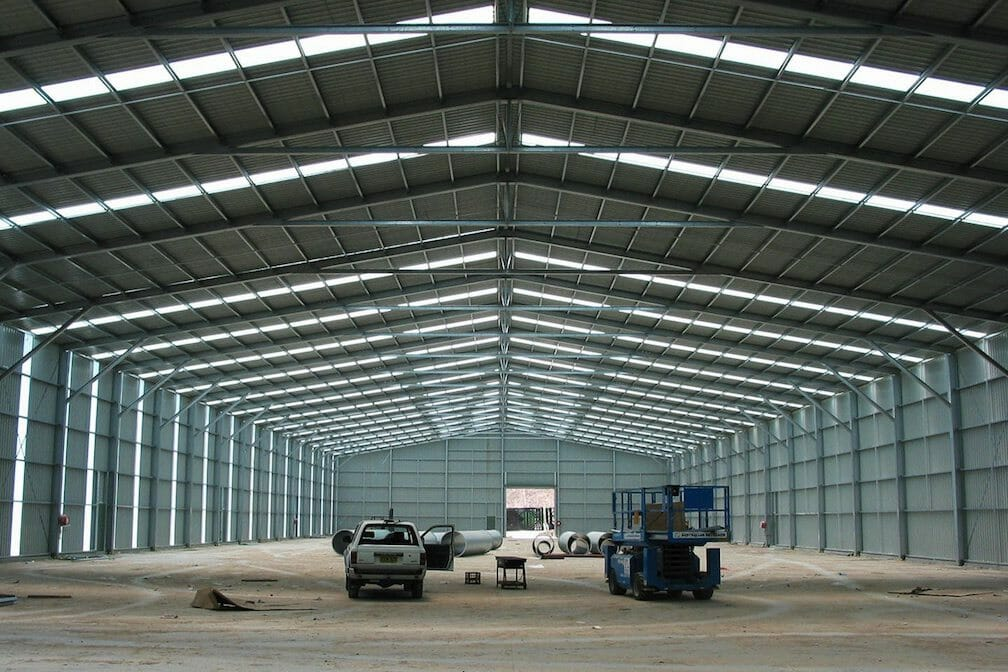
This guide will walk you through everything you need to consider when planning your perfect shed, from council approvals to choosing the right materials. We will delve into design considerations, ensuring that your new shed is both functional and aesthetically pleasing. So, grab a cuppa, and let’s get started on building your dream shed.
Understanding your needs and purpose
Before you even think about size or style, it’s crucial to define exactly what you’ll be using your shed for. Are you looking for storage sheds to declutter your home? Or do you need a dedicated space for a hobby, like woodworking or pottery? Perhaps you’re after a secure place to keep your farm equipment safe and sound? Understanding the primary purpose will guide all your subsequent decisions.
Identifying your storage requirements
Take stock of everything you plan to store in your shed. Consider the size and quantity of items. Will you be storing bulky items like furniture or machinery? Or smaller items like tools and gardening equipment? Don’t forget to factor in future storage needs as well. It’s always better to overestimate your storage requirements than to underestimate them. This will help you determine the necessary square footage and layout of your shed.
Defining your workspace needs
If you plan to use your shed as a workshop, think about the type of work you’ll be doing. Will you need a workbench? Power outlets? Good lighting? Consider the size of your equipment and the amount of space you’ll need to move around comfortably. Also, think about ventilation, especially if you’ll be working with paints, solvents, or other potentially harmful materials. Proper ventilation is essential for a safe and healthy workspace.
Navigating council approvals and regulations
Before you start building, it’s essential to check with your local council about any necessary permits or approvals. Building regulations can vary depending on your location and the size of your shed. Ignoring these regulations can lead to costly fines or even the demolition of your shed, so it’s definitely worth doing your homework upfront.
Researching local building codes
Your local council will have specific building codes that you need to adhere to. These codes may cover aspects such as the size, height, and location of your shed, as well as the materials you can use. It’s a good idea to visit your local council’s website or speak to a building inspector to get a clear understanding of the regulations in your area. This will save you a lot of headaches down the track.
Obtaining necessary permits
Depending on the size and complexity of your shed, you may need to obtain a building permit before you start construction. The application process usually involves submitting detailed plans of your shed, along with supporting documentation. Be prepared to provide information about the materials you’ll be using, the dimensions of the shed, and its location on your property. Patience is key, as the approval process can sometimes take several weeks.
Choosing the right materials and design
The materials you choose for your shed will impact its durability, appearance, and cost. There are several options to consider, each with its own advantages and disadvantages. Similarly, the design of your shed should complement your property and meet your functional needs. Let’s explore some of the most popular choices.
Exploring different material options
Timber is a classic choice for sheds, offering a natural look and feel. It’s also relatively easy to work with. However, timber requires regular maintenance to protect it from the elements and pests. Steel is another popular option, known for its strength and durability. Sheds in Perth made from steel are resistant to rot, termites, and fire. Colorbond steel offers an additional layer of protection and comes in a wide range of colours to suit your taste.
Considering shed styles and layouts
The style and layout of your shed should be both functional and aesthetically pleasing. Consider the overall look of your property and choose a shed style that complements it. steel sheds are a classic choice, offering plenty of headroom and storage space. Skillion sheds have a single sloping roof, making them a good option for tight spaces. The layout of your shed should be designed to maximise storage and workspace. Think about the placement of doors, windows, and shelving to create a functional and efficient space. For example, residential sheds are often designed to blend seamlessly with the existing home.
Maximising functionality and space
A well-designed shed is more than just a storage space; it’s a functional extension of your home. By carefully planning the layout and incorporating smart storage solutions, you can maximise the utility of your shed and create a space that truly meets your needs.
Incorporating smart storage solutions
Shelving is essential for organising your shed and keeping items off the floor. Consider installing adjustable shelving units to accommodate items of different sizes. Pegboards are a great way to store tools and keep them within easy reach. Hooks are perfect for hanging larger items like bikes, ladders, and garden hoses. Don’t forget about overhead storage, which can be used to store seasonal items or items that you don’t use very often.
Optimising the layout for workflow
If you’re using your shed as a workshop, think about the flow of your work. Arrange your equipment and tools in a way that makes it easy to move from one task to another. Keep your most frequently used tools within easy reach. Consider creating different zones for different types of work. For example, you might have a woodworking zone, a metalworking zone, and a painting zone. This will help you stay organised and efficient.
Ensuring long-term durability and maintenance
Building a shed is an investment, so it’s important to choose materials and construction methods that will ensure its long-term durability. Regular maintenance is also essential for keeping your shed in good condition and preventing costly repairs down the track.
Protecting your shed from the elements
Weather can take a toll on your shed, so it’s important to protect it from the elements. Apply a sealant or stain to timber sheds to protect them from moisture and UV damage. Regularly inspect your shed for signs of damage, such as rot, rust, or cracks. Repair any damage promptly to prevent it from getting worse. Consider installing gutters and downpipes to divert rainwater away from your shed’s foundation. This will help prevent water damage and erosion.
Implementing regular maintenance practices
Regular maintenance is key to keeping your shed in good condition. Sweep or vacuum the floor regularly to remove dirt and debris. Clean the windows and doors to let in natural light. Check for pests and take steps to control them. Lubricate hinges and latches to keep them working smoothly. By following these simple maintenance practices, you can extend the life of your shed and keep it looking its best. If you are looking for farm sheds then durability and maintenance should also be considered.
Designing the perfect shed for your needs might seem daunting, but with careful planning and attention to detail, you can create a space that’s both functional and aesthetically pleasing. Remember to define your needs, navigate council regulations, choose the right materials, maximise functionality, and ensure long-term durability. With a little effort, you’ll have a shed that you’ll enjoy for years to come.