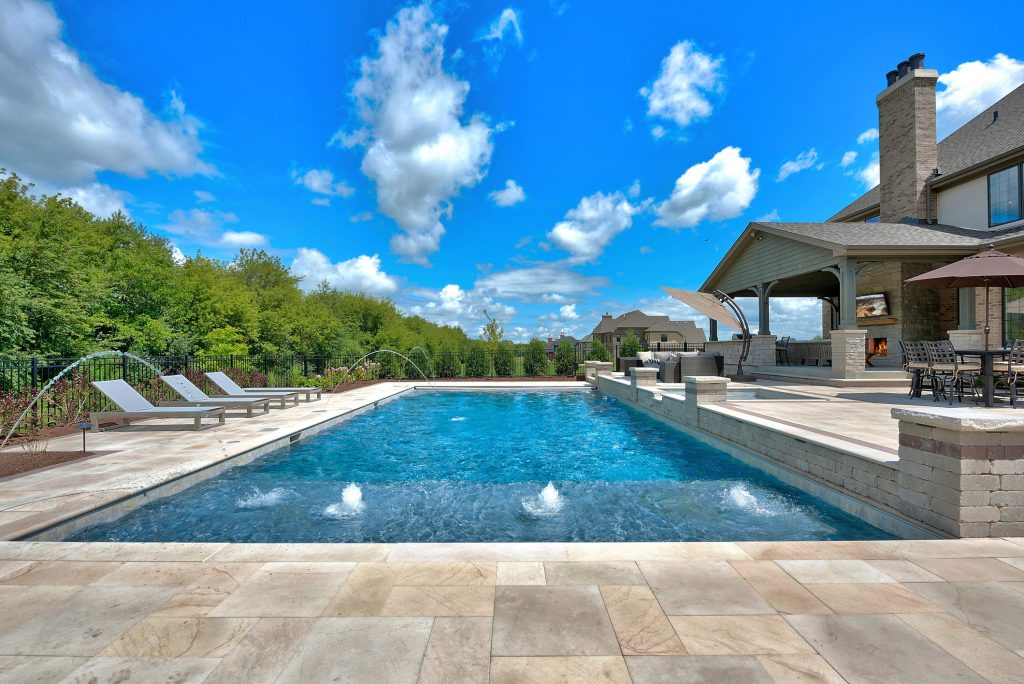
Summer in this part of the world means one thing for many families: spending countless hours cooling off in the backyard pool. But before you dive headfirst into the fun, it’s crucial to ensure your pool is properly equipped and maintained. Having the right Perth pool supplies on hand will not only keep your pool sparkling clean but also safe and enjoyable for everyone.
From the basics like chlorine and pool pumps to more specialised items like robotic cleaners and safety equipment, the world of pool ownership can sometimes feel overwhelming. What do you really need to keep your pool in top condition all season long? Let’s dive in and explore the essential items that every pool owner should have.
The core pool supplies for water maintenance
Maintaining water quality is paramount for a healthy and enjoyable swimming experience. Neglecting this aspect can lead to algae growth, cloudy water, and potential health hazards. Therefore, investing in the right chemicals and testing equipment is essential.
Sanitisers: chlorine and alternatives
Chlorine is the most common and cost-effective sanitiser for killing bacteria and algae. It’s available in various forms, including granules, tablets, and liquid. The choice often depends on personal preference and the type of pool you own. Saltwater pools, on the other hand, use a salt chlorinator to convert salt into chlorine, offering a gentler alternative.
However, if you’re sensitive to chlorine, consider alternatives like bromine, ozone, or UV systems. These options can provide effective sanitation with fewer harsh chemicals. Researching the pros and cons of each will help you decide what’s best for your needs and budget.
Balancers: pH, alkalinity and calcium hardness
Maintaining the correct pH level is crucial for chlorine to work effectively. Ideal pH levels range from 7.2 to 7.8. Alkalinity acts as a buffer to prevent drastic pH changes, and calcium hardness prevents corrosion or scaling. Regularly testing and adjusting these levels ensures water is comfortable and protects your pool equipment from damage.
Test kits, either liquid or strip-based, are readily available. Investing in a digital tester can provide more accurate readings. Remember, balanced water not only feels better but also extends the lifespan of your pool and its components.
Algaecides and clarifiers
Even with proper sanitation, algae can still bloom, especially during hot weather. Algaecides help prevent and kill algae growth, keeping your pool water clear and inviting. Clarifiers, on the other hand, work by clumping together small particles, making them easier for your filter to remove. Using these products proactively can save you from dealing with cloudy water and stubborn algae outbreaks.
Essential pool equipment for cleaning and circulation
Beyond water chemistry, physical cleaning and proper water circulation are vital for maintaining a pristine pool. The right equipment can significantly reduce the amount of manual labour required and ensure that your pool water is consistently clean and healthy.
Pool pumps and filters
The pool pump is the heart of your pool’s circulation system, drawing water through the filter to remove debris. Filters come in various types, including sand, cartridge, and diatomaceous earth (DE). Sand filters are the most common and require minimal maintenance. Cartridge filters offer finer filtration, while DE filters provide the highest level of clarity. The best filter for you depends on the size of your pool, usage, and budget.
Regularly cleaning or backwashing your filter is essential to maintain its efficiency. A clogged filter puts extra strain on your pump and reduces water circulation, leading to poor water quality. A well-maintained pump and filter system is arguably the most crucial piece of pool equipment.
Pool cleaners: manual and robotic
Manual pool cleaners, such as leaf rakes and brushes, are essential for removing surface debris and scrubbing walls and floors. However, for a more hands-off approach, consider investing in a robotic pool cleaner. These automated devices navigate your pool, vacuuming up dirt and debris, and can even scrub walls and steps. While they may be a larger upfront investment, they can save you considerable time and effort in the long run.
Regardless of the type of cleaner you choose, regular cleaning is essential. Aim to vacuum your pool at least once a week, or more frequently during periods of heavy use or after storms.
Skimmers and maintenance tools
Skimmers are built-in components that remove surface debris before it sinks to the bottom of the pool. Regularly emptying your skimmer baskets prevents clogs and ensures proper water flow. Other essential maintenance tools include a telescopic pole for attaching brushes and nets, a pool brush for scrubbing walls and floors, and a vacuum hose for manual cleaning.
Pool safety equipment: prioritising protection
Safety should always be a top priority when owning a pool. Implementing the right safety measures can prevent accidents and ensure that your pool is a safe environment for everyone.
Fencing and barriers
Fencing is a legal requirement in many areas and is crucial for preventing unsupervised access to the pool, especially for young children. Ensure that your fence meets local council regulations and is in good repair. Self-closing and self-latching gates are essential features.
In addition to fencing, consider using pool covers or safety nets when the pool is not in use. These barriers can provide an extra layer of protection and prevent accidental falls.
Pool alarms and safety signage
Pool alarms can detect when someone enters the water and sound an alert, providing an early warning in case of an emergency. Safety signage, such as “No Diving” and “Shallow Water,” can help prevent accidents and remind swimmers of potential hazards. Clearly displaying emergency contact information is also crucial.
First aid kit and rescue equipment
A well-stocked first aid kit should be readily available near the pool area. Ensure that it includes items for treating minor injuries, such as cuts, scrapes, and insect bites. Rescue equipment, such as a reaching pole and a lifebuoy, should also be easily accessible in case of a water emergency. Regularly check and replenish your first aid kit and ensure that everyone in the household knows how to use the rescue equipment.
Maintaining your pool: a regular checklist
Keeping your pool sparkling and safe requires consistent maintenance. Here’s a checklist to help you stay on top of things:
- Test and balance water chemistry (pH, alkalinity, calcium hardness) weekly.
- Sanitise the water with chlorine or your chosen alternative.
- Clean or backwash the filter regularly.
- Empty skimmer baskets and pump strainer baskets frequently.
- Vacuum or use a robotic cleaner at least once a week.
- Brush walls and floors regularly.
- Check and maintain pool services equipment for proper function.
- Inspect safety equipment and fencing regularly.
Finding the best pool supplies for your needs
Choosing the right pool supplies can seem daunting, but with a little research and planning, you can create a pool maintenance routine that works for you. Consider your pool’s size, usage, and your personal preferences when selecting equipment and chemicals. Don’t hesitate to seek advice from pool professionals who can provide tailored recommendations.
Investing in quality products and following a consistent maintenance schedule will not only keep your pool sparkling clean but also extend its lifespan and ensure a safe and enjoyable swimming experience for years to come. So, gear up, dive in, and make the most of your pool this summer!
Frequently asked questions about pool supplies
Here are some frequently asked questions about pool supplies to help you maintain your pool effectively:
How often should I test my pool water?
It’s generally recommended to test your pool water at least once a week. During periods of heavy use or after significant weather events, you may need to test more frequently. Regular testing allows you to identify and address any imbalances in water chemistry before they become major problems.
What’s the best way to prevent algae growth in my pool?
Maintaining proper sanitation levels (chlorine or alternative), balancing water chemistry, and using algaecide as a preventative measure are all effective ways to prevent algae growth. Regularly brushing the walls and floors of your pool and ensuring good water circulation can also help.
How do I choose the right size pool pump and filter for my pool?
The size of your pool pump and filter should be matched to the volume of water in your pool. Consult with a pool professional or refer to the manufacturer’s recommendations to determine the appropriate size. An undersized pump and filter will not provide adequate circulation and filtration, while an oversized system can be inefficient and costly to operate.
What are the benefits of using a robotic pool cleaner?
Robotic pool cleaners offer several benefits, including hands-free cleaning, efficient debris removal, and reduced chemical usage. They can also save you time and effort compared to manual cleaning methods. While they may be a larger upfront investment, they can be a worthwhile addition to your pool maintenance arsenal.
How can I protect my pool equipment from damage during the off-season?
Properly winterising your pool is essential to protect your equipment from damage during the colder months. This typically involves draining water from pipes and equipment, adding winterising chemicals, and covering the pool. Consult with a pool professional or refer to your equipment’s manual for specific instructions.