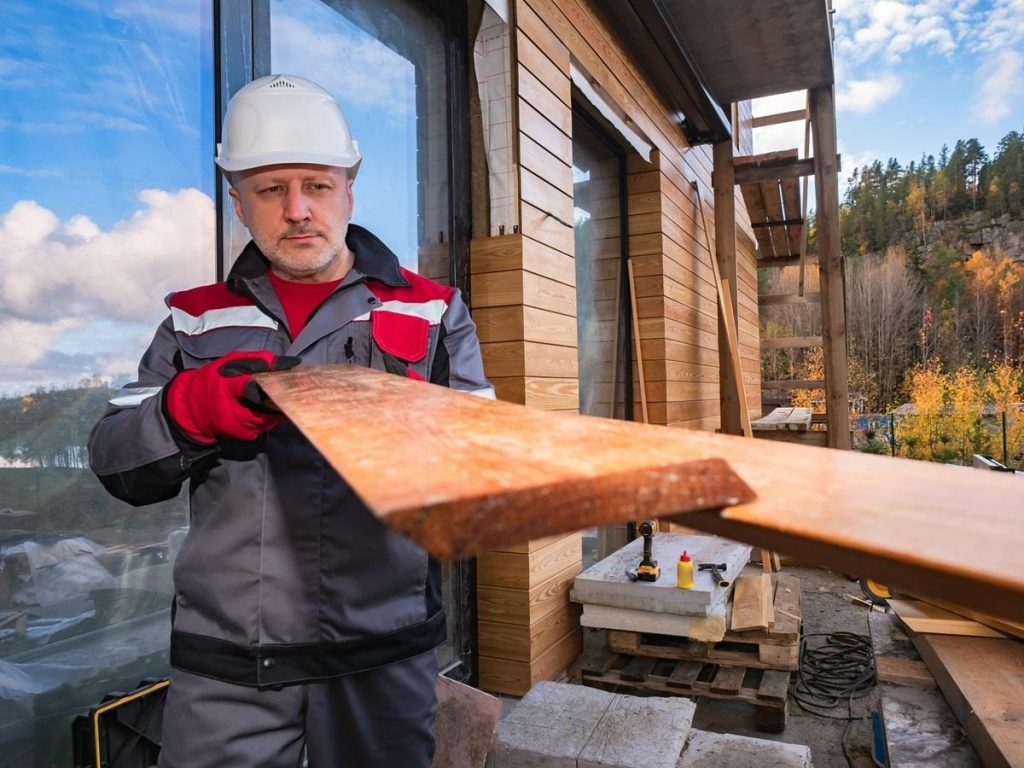
Building a sustainable home is about making choices that minimise environmental impact, both during construction and throughout the life of the building. One material gaining increasing popularity for its eco-friendly credentials and aesthetic appeal is timber. In particular, exploring the benefits of timber cladding as a sustainable option is worthwhile.
Timber cladding offers a natural and renewable alternative to other building materials. It provides excellent insulation, reduces carbon footprint, and enhances the visual appeal of any home. Let’s dive into the numerous advantages of choosing timber cladding for your sustainable home project and how it contributes to a healthier planet.
The environmental advantages of timber cladding
Sustainability is at the forefront of modern construction, and timber cladding excels in this area. Unlike concrete or steel, timber is a renewable resource, especially when sourced from sustainably managed forests. These forests are carefully maintained to ensure continuous regeneration, minimising the impact on the environment. Choosing timber can greatly reduce your home’s carbon footprint.
Reduced carbon footprint
Trees absorb carbon dioxide from the atmosphere as they grow, effectively storing carbon within their wood. When timber is used in construction, this carbon remains locked away for the life of the building. The production of timber cladding requires significantly less energy compared to other materials like brick or cement, further reducing its carbon footprint. This makes it a preferable choice for those seeking to build eco-friendly homes. Opting for timber cladding shows you are serious about the environment.
Renewable resource
Sustainably managed forests are crucial for ensuring timber remains a renewable resource. These forests are harvested responsibly, with new trees planted to replace those that are felled. Certification schemes like the Forest Stewardship Council (FSC) ensure that timber products come from well-managed forests, providing assurance that your cladding is environmentally sound. Using certified timber ensures the longevity of our forests.
Biodegradable and recyclable
At the end of its life, timber cladding can be either biodegraded or recycled, unlike many synthetic materials that end up in landfills. Biodegradable timber naturally breaks down, returning its nutrients to the soil. Recycled timber can be repurposed for other construction projects, reducing the need for new materials and further minimising environmental impact. This complete lifecycle makes timber a truly sustainable choice.
The performance benefits of timber cladding
Beyond its environmental advantages, timber cladding also offers a range of performance benefits that make it a practical choice for any home. These include excellent insulation, durability, and design flexibility, ensuring your home is both comfortable and aesthetically pleasing. Let’s explore these performance benefits in more detail.
Excellent insulation
Timber is a natural insulator, helping to keep your home warm in winter and cool in summer. This reduces the need for artificial heating and cooling, lowering your energy bills and reducing your carbon emissions. The thermal properties of timber cladding can significantly improve the energy efficiency of your home. Good insulation is essential for a comfortable home.
Durability and longevity
When properly treated and maintained, timber cladding can last for many years, offering excellent durability and longevity. Modern treatments protect timber from rot, insects, and the elements, ensuring it remains in good condition for decades. Regular maintenance, such as applying a protective coating, can further extend its lifespan. The durability of timber cladding is a great benefit.
Design flexibility
Timber cladding offers a wide range of design options, allowing you to create a home that reflects your personal style. It comes in various species, profiles, and finishes, each offering a unique look and feel. Whether you prefer a rustic, traditional appearance or a sleek, modern design, timber cladding can be tailored to suit your needs. The natural beauty of timber adds character and warmth to any home.
Aesthetic appeal and design versatility
The visual appeal of timber cladding is undeniable, adding warmth, character, and natural beauty to any home. Its versatility in design allows for a wide range of architectural styles, from traditional to contemporary. The natural variations in grain and colour make each timber-clad home unique. It’s easy to see why many people choose external timber cladding for their projects.
Natural beauty and warmth
Timber has a natural beauty that is hard to replicate with synthetic materials. Its warm tones and unique grain patterns create a welcoming and inviting atmosphere. The texture and character of timber add depth and interest to the exterior of your home. Choosing timber cladding can enhance the overall aesthetic of your property.
Versatile design options
Timber cladding is incredibly versatile, allowing for a wide range of design possibilities. It can be used to create a variety of architectural styles, from rustic farmhouses to modern minimalist homes. Different timber species offer different colours and textures, giving you even more options to choose from. The flexibility of timber cladding makes it suitable for any project.
Enhancing property value
The aesthetic appeal and sustainable qualities of timber cladding can significantly enhance the value of your property. Homes with timber cladding are often seen as more desirable and environmentally friendly, attracting buyers who value sustainability and natural beauty. Investing in timber cladding can be a smart way to increase the long-term value of your home. A timber-clad home is a beautiful home.
Cost-effectiveness and long-term savings
While the initial cost of timber cladding may be comparable to other materials, its long-term benefits can result in significant savings. These savings come from reduced energy consumption, lower maintenance costs, and increased property value. Considering these factors can make timber cladding a cost-effective choice in the long run. Let’s break down how this material can save you money.
Reduced energy consumption
As mentioned earlier, timber’s natural insulation properties can significantly reduce your energy consumption. By keeping your home warmer in winter and cooler in summer, you’ll rely less on artificial heating and cooling systems. This translates to lower energy bills and a smaller carbon footprint. Saving energy also saves money.
Lower maintenance costs
With proper treatment and maintenance, timber cladding requires minimal upkeep. Modern treatments protect timber from rot, insects, and the elements, reducing the need for frequent repairs or replacements. Regular cleaning and occasional re-coating are typically all that’s required to keep your cladding in good condition. Lower maintenance means less expense.
Increased property value
The aesthetic appeal and sustainable qualities of timber cladding can increase the value of your property, as discussed earlier. This can result in a higher resale value if you ever decide to sell your home. Investing in timber cladding is therefore a wise financial decision. A beautiful home is a valuable asset.
Installation and maintenance tips for timber cladding
Proper installation and regular maintenance are essential for ensuring the longevity and performance of your timber cladding. Following best practices during installation will prevent issues like moisture damage and rot. Regular maintenance, such as cleaning and re-coating, will keep your cladding looking its best for years to come. Here are some practical tips to help you get the most out of your timber cladding.
Proper installation techniques
Proper installation is crucial for preventing problems down the line. Ensure that the cladding is installed correctly, with adequate ventilation to prevent moisture buildup. Use appropriate fixings and follow the manufacturer’s instructions carefully. Hiring a professional installer can ensure the job is done right. Correct installation is key.
Regular cleaning and maintenance
Regular cleaning will help to remove dirt, dust, and debris that can accumulate on your timber cladding. Use a soft brush and mild detergent to gently clean the surface. Avoid using harsh chemicals or abrasive cleaners, as these can damage the timber. Regular cleaning helps to maintain its appearance and prevent damage.
Protective coatings and treatments
Applying a protective coating or treatment will help to protect your timber cladding from the elements. Choose a coating that is specifically designed for timber and that offers UV protection, water resistance, and protection against insects and rot. Re-apply the coating every few years, as recommended by the manufacturer. Protection is essential for longevity.
Conclusion: Embracing timber cladding for a sustainable future
Choosing timber cladding for your home offers a multitude of benefits, from its environmental advantages to its aesthetic appeal and long-term cost-effectiveness. By opting for timber, you’re not only creating a beautiful and comfortable home but also contributing to a more sustainable future. The natural beauty and warmth of this material, combined with its design versatility, make it a popular choice for homeowners seeking a blend of style and sustainability. Making this choice is a smart move.
With its reduced carbon footprint, excellent insulation, and durable nature, timber cladding is a practical and responsible choice for any building project. Embracing sustainable materials like timber cladding is a step towards creating a greener and more environmentally conscious world. So, why not consider the option of professional timber cladding for your next project?
Also Read: What Is The Best Timber Cladding For A Modern Home Exterior?