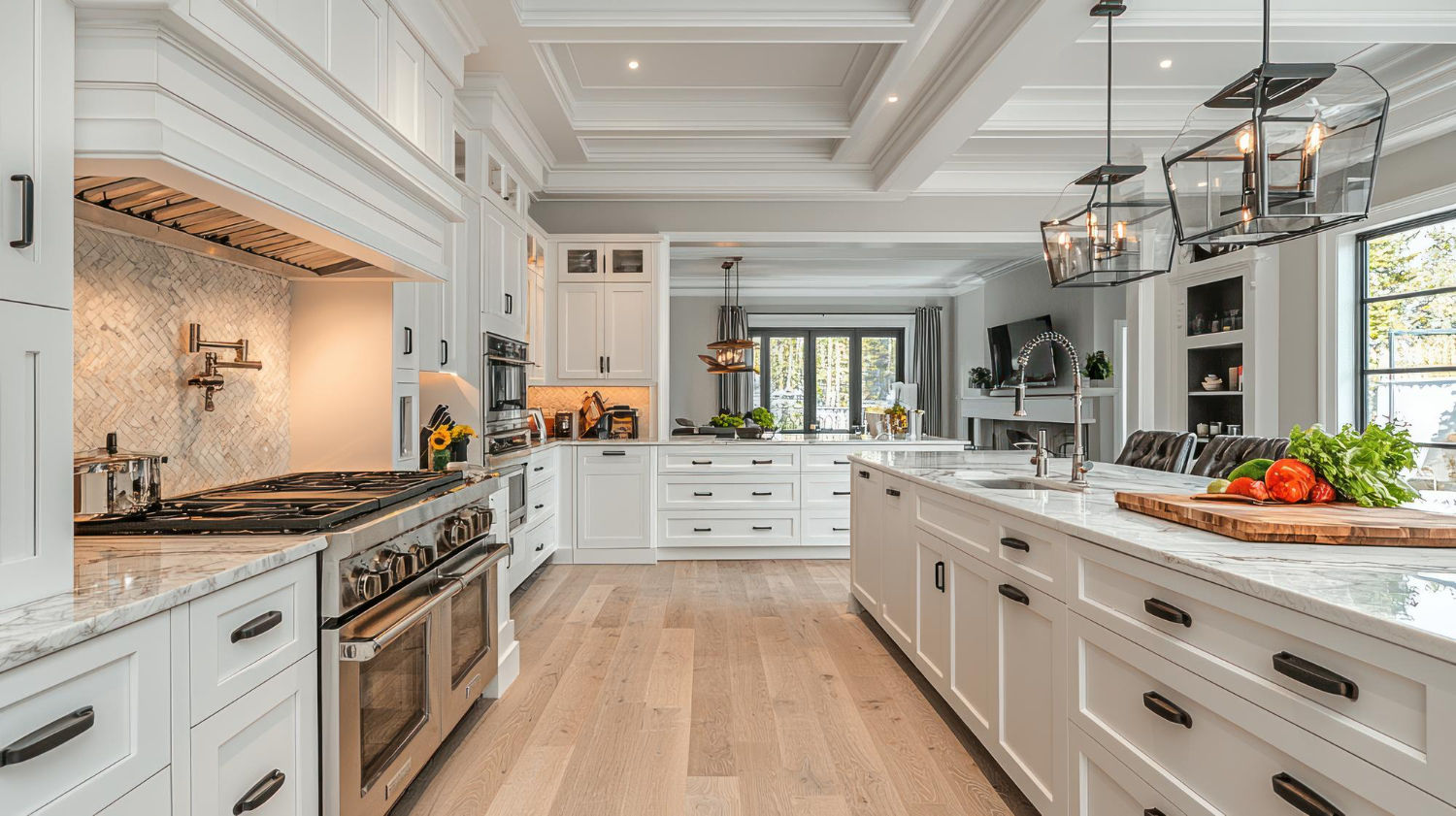
Embarking on a kitchen renovation can feel like a massive undertaking. Where do you even begin? One of the best places to start is by visiting kitchen showrooms. These spaces offer a wealth of inspiration and practical advice, helping you visualise your dream kitchen before a single hammer is swung. Think of it as a curated gallery of possibilities, all under one roof.
Stepping into a showroom is like entering a world of culinary creativity. You can explore different layouts, materials, and appliances firsthand, gaining a tangible understanding of what works and what doesn’t. It’s a far cry from scrolling through endless online images, as you can actually touch and feel the textures, open and close drawers, and imagine yourself cooking in the space. Are you ready to transform your kitchen?
Why Visit Kitchen Showrooms?
Visiting a showroom offers numerous advantages over simply browsing online or relying on catalogues. The immersive experience allows you to make more informed decisions, ensuring your new kitchen is both beautiful and functional. Here’s why you should consider a visit.
Get Inspired and Discover New Ideas
Showrooms showcase the latest trends and innovations in kitchen design. You might discover a new material or layout you hadn’t considered, sparking fresh ideas for your own renovation. Seeing these elements in a real-life setting helps you appreciate their aesthetic appeal and practical benefits. This can really open your mind to the possibilities.
See, Touch, and Feel Materials
Photos can be deceiving. Colours and textures can appear different on a screen than they do in person. In a showroom, you can physically interact with benchtops, cabinetry, and splashbacks, ensuring you choose materials that meet your aesthetic preferences and functional requirements. It’s all about getting that tactile experience.
Get Expert Advice
Showroom staff are typically experienced kitchen designers who can offer valuable advice and guidance. They can answer your questions, provide insights into different design options, and help you navigate the complexities of a kitchen renovation. Their expertise can save you time, money, and potential headaches down the track. Don’t hesitate to ask for their opinions.
Exploring Different Kitchen Design Styles
One of the most exciting aspects of visiting a kitchen showroom is the opportunity to explore various kitchen design styles. From sleek and modern to warm and traditional, there’s a style to suit every taste and home. Understanding the different styles can help you narrow down your preferences and create a cohesive design for your own space.
Modern Kitchens
Modern kitchens are characterised by clean lines, minimalist aesthetics, and a focus on functionality. They often feature handleless cabinetry, integrated appliances, and durable materials like stainless steel and engineered stone. If you like a clutter-free and streamlined look, a modern kitchen might be the perfect choice. Think sleek and sophisticated.
Traditional Kitchens
Traditional kitchens exude warmth and charm, with classic details like shaker-style cabinetry, ornate mouldings, and natural materials like timber and stone. They often incorporate features like farmhouse sinks, decorative hardware, and open shelving to create a welcoming and inviting atmosphere. This style is perfect for those who appreciate timeless elegance.
Hamptons Kitchens
Hamptons kitchens evoke a sense of coastal living with their light and airy colour palettes, shaker-style cabinetry, and natural textures like timber and rattan. They often feature large island benches, pendant lighting, and plenty of storage space to create a functional and stylish space for cooking and entertaining. Imagine a breezy, relaxed atmosphere.
The Benefits of Custom Kitchens
While showrooms offer a fantastic starting point, many homeowners opt for custom kitchens to perfectly match their needs and preferences. Custom designs allow you to tailor every aspect of your kitchen, from the layout and cabinetry to the materials and finishes. This ensures your kitchen is not only beautiful but also highly functional and perfectly suited to your lifestyle.
Maximise Space and Functionality
Custom kitchens are designed to maximise the available space and optimise functionality. Whether you have a small apartment or a large family home, a custom design can be tailored to your specific needs. This might involve incorporating clever storage solutions, optimising the layout for efficient workflow, or creating a multi-functional island bench.
Reflect Your Personal Style
A custom kitchen allows you to express your personal style and create a space that truly reflects your taste. You can choose from a wide range of materials, colours, and finishes to create a unique and individual design. This ensures your kitchen is not only functional but also a beautiful and inspiring space to spend time in.
Increase Your Home’s Value
A well-designed and professionally installed custom kitchen can significantly increase the value of your home. It’s an investment that will pay off in the long run, both in terms of enjoyment and resale value. Potential buyers are often drawn to homes with updated and stylish kitchens, making it a worthwhile investment.
Planning Your Visit to Kitchen Showrooms
To make the most of your visit, it’s helpful to do some planning beforehand. Consider bringing photos of your existing kitchen, measurements of the space, and a list of your must-have features. This will help the showroom staff understand your needs and provide more tailored advice. Also, be prepared to ask questions and take notes.
Research and Gather Inspiration
Before you visit, spend some time researching different kitchen design styles and gathering inspiration from magazines, websites, and social media. This will help you identify your preferences and communicate your vision to the showroom staff. Create a mood board or scrapbook to collect your favourite ideas.
Set a Budget
Kitchen renovations can range in price, so it’s important to set a budget before you start. This will help you narrow down your choices and avoid overspending. Be realistic about what you can afford and factor in costs for materials, labour, and appliances. Having a budget in mind will help you stay on track.
Ask Questions and Take Notes
Don’t be afraid to ask questions and take notes during your visit. The showroom staff are there to help you, so take advantage of their expertise. Ask about different materials, appliances, and design options, and take notes on anything that catches your eye. This will help you remember key details and make informed decisions later on.
FAQs About Kitchen Showrooms
What should I bring to a kitchen showroom appointment?
Bring photos of your current kitchen, measurements of the space, a list of your must-have features, and any inspiration you’ve gathered. This will help the designer understand your needs and preferences.
How long does a kitchen renovation typically take?
The duration of a kitchen renovation can vary depending on the scope of the project. A simple renovation might take a few weeks, while a more complex project could take several months. It’s best to discuss the timeline with your designer or builder.
What are some popular kitchen countertop materials?
Popular countertop materials include granite, marble, quartz, engineered stone, and timber. Each material has its own unique characteristics in terms of appearance, durability, and cost. Consider your lifestyle and budget when making your selection.
How can I maximise storage in a small kitchen?
Clever storage solutions can make a big difference in a small kitchen. Consider incorporating features like pull-out drawers, corner cabinets, and vertical storage to maximise space. Also, declutter regularly and keep only essential items in your kitchen.
What is the best way to clean and maintain kitchen cabinets?
The best way to clean and maintain kitchen cabinets depends on the material. Generally, you should wipe them down regularly with a damp cloth and mild detergent. Avoid using harsh chemicals or abrasive cleaners, as these can damage the finish. Always refer to the manufacturer’s instructions for specific cleaning recommendations.