Roofing Warning Signs You Should Never Ignore

Your roof quietly protects your property every day. It stands between your home or building and the weather, helping keep everything inside safe and comfortable. Because it performs such an important job, even small roofing problems can have a significant impact if they go unnoticed.
Many property owners only think about their roof when a leak appears. Unfortunately, by that point, damage may already exist beneath the surface. Learning to recognize early warning signs can help you avoid major repairs and extend your roof’s lifespan.

A well-maintained system of roofing in Newton, MA, helps protect your investment, improve energy efficiency, and reduce the risk of costly damage. By paying attention to key indicators, you can take action before minor concerns become major problems.

Missing or Damaged Shingles

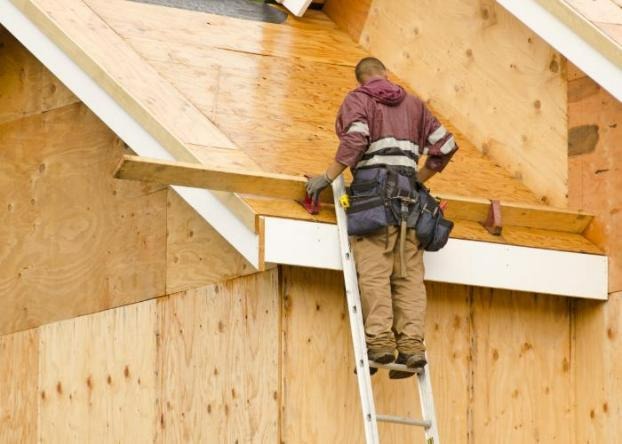
Shingles are one of the most visible parts of a roof and serve as the first line of defense against the elements. When shingles become damaged, the entire roofing system can become more vulnerable.

Common signs of shingle damage include:

  • Missing shingles
  • Cracked shingles
  • Curling edges
  • Loose materials after storms
  • Uneven roof surfaces

Strong winds, heavy rain, and years of exposure to sunlight can gradually wear down roofing materials. If damaged shingles are not replaced, water can seep beneath the roof’s protective layers and cause additional problems.

Regular visual inspections from the ground can help you spot these issues early.

Water Stains on Ceilings and Walls

Water stains are often among the first signs that a roof problem has spread beyond the …
How Long Do Custom Windows Take? What Homeowners Should Expect

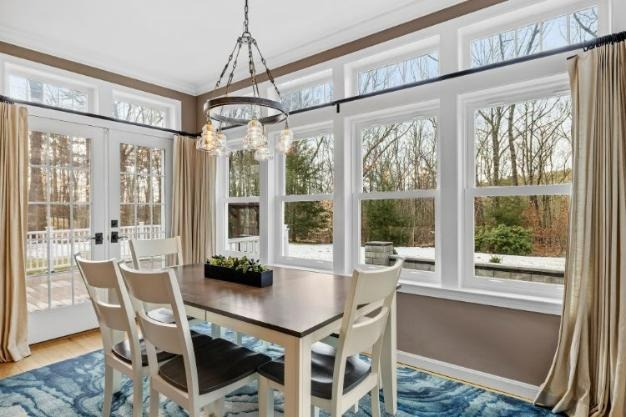
Upgrading your home with new windows is one of the best ways to improve comfort, efficiency, and curb appeal. However, when you choose a customized option instead of standard sizes, the timeline can look a little different. Many homeowners wonder exactly how long the process will take from start to finish.

Unlike pre-made products, custom windows in Pawtucket are designed and built specifically for your home’s dimensions, style, and energy needs. Because each one is tailored to fit perfectly, extra time is needed for design, manufacturing, and installation. Knowing what to expect helps you plan ahead, avoid surprises, and feel confident that your investment will be worth the wait.

Most custom window projects take several weeks to complete, depending on the complexity and number of windows. Here’s a closer look at what goes into the process and how to keep everything on schedule.

The Typical Custom Window Timeline

On average, a custom window project takes about 6 to 10 weeks from consultation to final installation. The exact timeline depends on the materials you choose, the number of windows being made, and how busy your contractor or manufacturer is. The process usually happens in three stages: design and consultation, manufacturing, and installation. Understanding this timeline helps you plan your window replacement journey more effectively and avoid unnecessary delays.

Since custom orders take longer than standard replacements, it’s smart to schedule your project during off-peak times like late fall or winter, when wait times are shorter and scheduling is easier.

Step One:

How Basement Waterproofing Protects Your Goshen Home from Mold, Cracks, and Costly Repairs

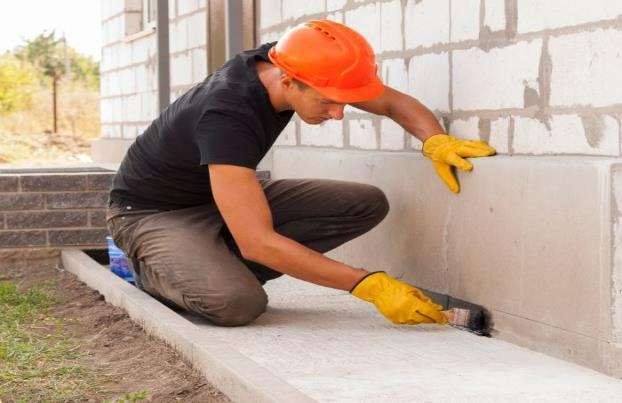
Basement issues often start quietly. A little dampness here, a faint musty smell there, and suddenly your basement no longer feels like the dry, safe space it should be. Many Goshen homeowners underestimate how quickly moisture problems can spread and how much damage they can cause. With changing weather and unpredictable storms, even well-built homes face risks when water finds its way inside.

That is why so many homeowners rely on Basement Waterproofing to prevent moisture from entering early. It is one of the most effective ways to prevent mold, stop cracks from getting worse, and avoid expensive structural repairs. By addressing these issues before they grow, you protect your home’s foundation, air quality, and long-term value.

Basement waterproofing in Goshen gives your home the protection it needs against moisture, leaks, and hidden structural problems. When your basement stays dry, you prevent mold growth, protect stored belongings, and keep your foundation stronger for the long run.

How Water Makes Its Way into Your Basement

Water rarely enters a basement through just one source. Small foundation cracks can allow moisture to seep in, especially after heavy rain. Window wells sometimes overflow. Hydrostatic pressure around the home pushes groundwater through weak points in the foundation. Even gaps around pipes and floor joints can become entry points if the surrounding soil stays saturated.

Understanding where water comes from helps you recognize early warning signs. When you know what to look for, staying ahead of moisture problems becomes much easier.

The Link Between Moisture

Sustainable Style: Eco-friendly Timber Bathroom Vanity Options

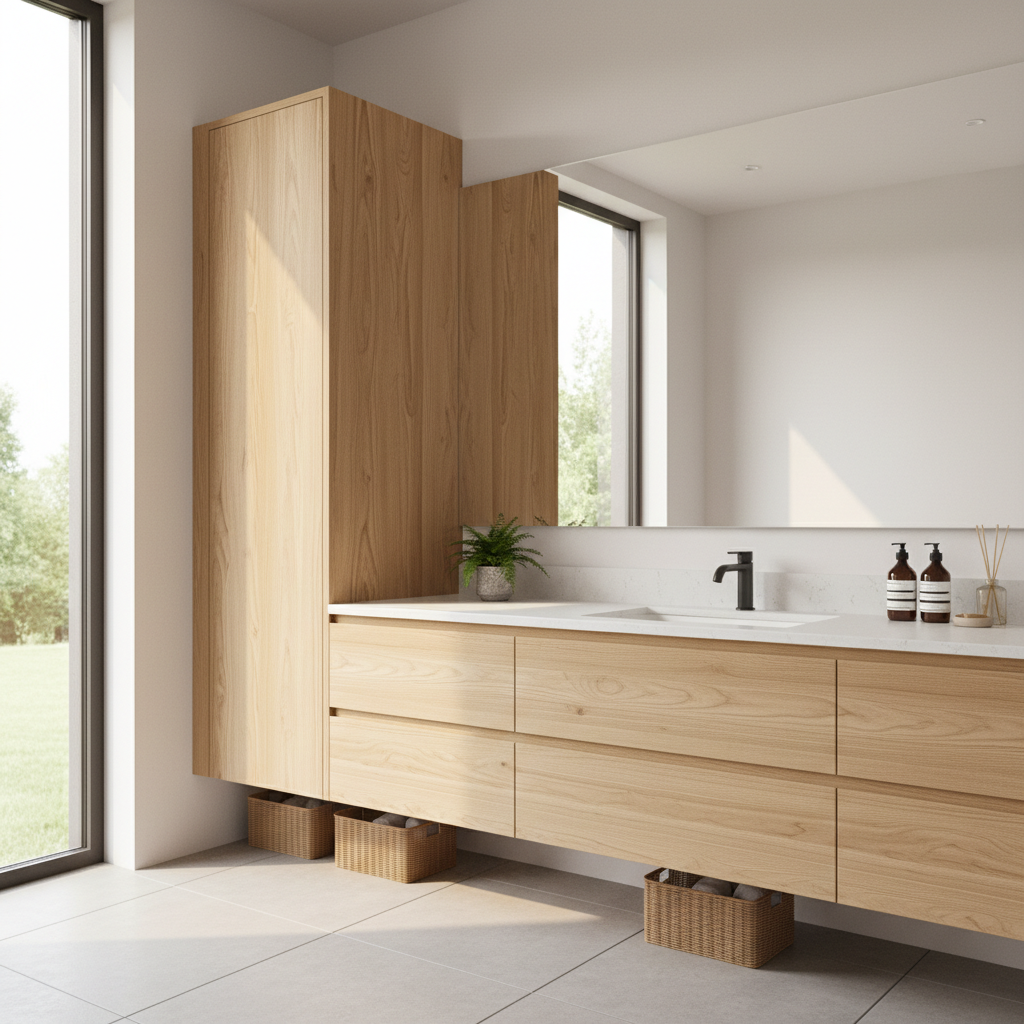
Renovating your bathroom is an exciting opportunity to inject your personal style into your home. But have you considered the environmental impact of your choices? Opting for a sustainable bathroom doesn’t mean sacrificing style. In fact, it can enhance it. One of the best ways to achieve this balance is with a beautiful timber bathroom vanity.

These vanities bring warmth and natural beauty to any bathroom, and when sourced responsibly, they can be a great eco-friendly choice. But what makes a timber vanity sustainable, and how do you choose the right one for your home? Let’s dive into the world of eco-conscious bathroom design.

What makes a timber bathroom vanity eco-friendly?

The term “eco-friendly” gets thrown around a lot, but what does it actually mean when it comes to timber vanities? It’s about more than just the material itself; it encompasses the entire lifecycle of the product, from sourcing to manufacturing to disposal.

Sustainable sourcing

The first and most crucial aspect is sustainable sourcing. This means the timber comes from forests that are managed responsibly. Look for certifications like the Forest Stewardship Council (FSC), which ensures that the timber is harvested in a way that protects biodiversity, water quality, and the rights of workers and local communities. Choosing timber from these sources helps to guarantee that your vanity isn’t contributing to deforestation or habitat loss. It’s about making informed choices that support responsible forestry practices.

Low-VOC finishes

Volatile organic compounds (VOCs) are chemicals that are released into the air …

What are the benefits of timber cladding for sustainable homes?

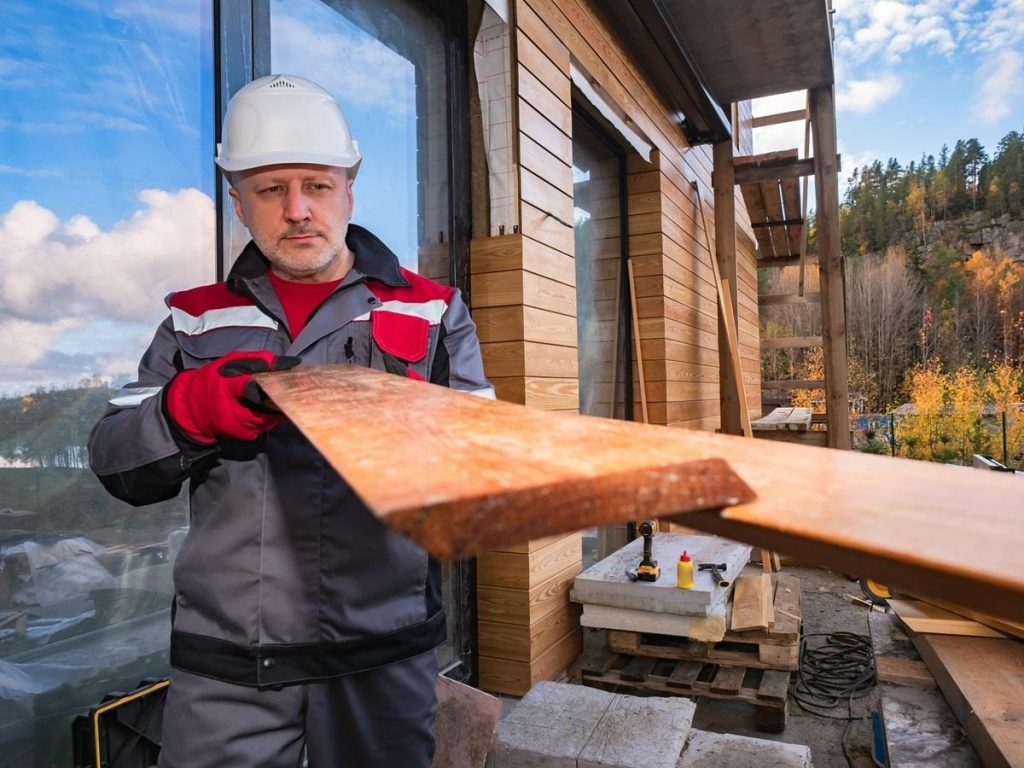
Building a sustainable home is about making choices that minimise environmental impact, both during construction and throughout the life of the building. One material gaining increasing popularity for its eco-friendly credentials and aesthetic appeal is timber. In particular, exploring the benefits of timber cladding as a sustainable option is worthwhile.

Timber cladding offers a natural and renewable alternative to other building materials. It provides excellent insulation, reduces carbon footprint, and enhances the visual appeal of any home. Let’s dive into the numerous advantages of choosing timber cladding for your sustainable home project and how it contributes to a healthier planet.

The environmental advantages of timber cladding

Sustainability is at the forefront of modern construction, and timber cladding excels in this area. Unlike concrete or steel, timber is a renewable resource, especially when sourced from sustainably managed forests. These forests are carefully maintained to ensure continuous regeneration, minimising the impact on the environment. Choosing timber can greatly reduce your home’s carbon footprint.

Reduced carbon footprint

Trees absorb carbon dioxide from the atmosphere as they grow, effectively storing carbon within their wood. When timber is used in construction, this carbon remains locked away for the life of the building. The production of timber cladding requires significantly less energy compared to other materials like brick or cement, further reducing its carbon footprint. This makes it a preferable choice for those seeking to build eco-friendly homes. Opting for timber cladding shows you are serious about the environment.

Renewable resource

Sustainably managed forests are crucial …