Your roof quietly protects your property every day. It stands between your home or building and the weather, helping keep everything inside safe and comfortable. Because it performs such an important job, even small roofing problems can have a significant impact if they go unnoticed.
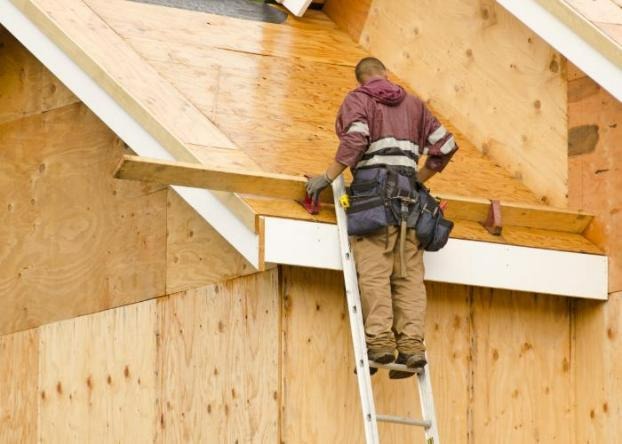
Many property owners only think about their roof when a leak appears. Unfortunately, by that point, damage may already exist beneath the surface. Learning to recognize early warning signs can help you avoid major repairs and extend your roof’s lifespan.
A well-maintained system of roofing in Newton, MA, helps protect your investment, improve energy efficiency, and reduce the risk of costly damage. By paying attention to key indicators, you can take action before minor concerns become major problems.
Missing or Damaged Shingles
Shingles are one of the most visible parts of a roof and serve as the first line of defense against the elements. When shingles become damaged, the entire roofing system can become more vulnerable.
Common signs of shingle damage include:
- Missing shingles
- Cracked shingles
- Curling edges
- Loose materials after storms
- Uneven roof surfaces
Strong winds, heavy rain, and years of exposure to sunlight can gradually wear down roofing materials. If damaged shingles are not replaced, water can seep beneath the roof’s protective layers and cause additional problems.
Regular visual inspections from the ground can help you spot these issues early.
Water Stains on Ceilings and Walls
Water stains are often among the first signs that a roof problem has spread beyond the exterior. Brown spots on ceilings or discoloration on walls may indicate that moisture is entering the structure.
While the stain itself may appear small, the source of the leak can be much larger. Water can travel through insulation, wood framing, and other materials before becoming visible inside.
Some common signs include:
- Ceiling discoloration
- Peeling paint
- Bubbling drywall
- Damp areas in the attic
Addressing leaks quickly helps prevent structural deterioration and additional repair costs.
Granules in Your Gutters
Many asphalt shingles are coated with protective granules that help shield them from UV rays and weather-related wear. As roofs age, these granules may begin to loosen.
Finding a small number of granules in gutters is normal. However, excessive accumulation can signal that the shingles are deteriorating.
When granule loss becomes significant, shingles may become less effective at protecting the roof from heat, moisture, and weather exposure. This can shorten the lifespan of the roofing system and increase the likelihood of future repairs.
If you notice large amounts of granules during gutter cleaning, it may be time to schedule a professional inspection.
A Sagging Roofline
A roof should appear straight and level when viewed from the ground. Any sagging or dipping sections deserve immediate attention.
A sagging roof can be caused by:
- Long-term moisture exposure
- Structural deterioration
- Damaged support components
- Excessive weight from trapped water
This issue often indicates that problems exist beneath the surface. Waiting too long to investigate can increase the risk of more extensive structural damage.
Even a slight sag should be evaluated by a roofing professional as soon as possible.
Rising Energy Bills
Many people do not immediately connect higher utility costs with roof problems. However, roof damage can directly affect energy efficiency.
Gaps, damaged materials, and moisture intrusion may allow conditioned air to escape while allowing outside temperatures to affect indoor comfort.
Signs may include:
- Increasing heating costs
- Higher cooling expenses
- Uneven temperatures throughout the property
- HVAC systems are running more frequently
A properly functioning roofing system helps maintain consistent indoor temperatures and can reduce energy consumption.
Mold and Moisture Issues
Moisture that enters through a damaged roof can create the ideal environment for mold growth. Mold often develops in areas where moisture remains trapped for extended periods.
Common locations include:
- Attics
- Ceiling cavities
- Wall spaces
- Insulation materials
Beyond property damage, mold can negatively affect indoor air quality. That is why moisture-related issues should never be ignored.
Maintaining adequate ventilation and addressing leaks promptly can help reduce the likelihood of mold growth and moisture damage.
Damaged Flashing Around Roof Features
Flashing is the material used to seal vulnerable areas where different roof components meet. It is commonly installed around chimneys, skylights, vents, and valleys.
Over time, flashing can become damaged due to exposure to weather and natural aging.
Warning signs include:
- Rust
- Cracks
- Loose sections
- Visible gaps
Even a small flashing failure can allow water to penetrate the roof system. Regular inspections help identify these issues before they become larger concerns.
Hidden Storm Damage
Storms can cause roof damage that is not always obvious from the ground. High winds, hail, and falling debris may compromise roofing materials without creating immediate leaks.
Potential storm-related issues include:
- Lifted shingles
- Small punctures
- Impact damage
- Loose flashing
After severe weather, scheduling a professional inspection can help uncover hidden damage before it leads to more serious problems.
Why Regular Roof Inspections Matter
Routine inspections remain one of the most effective ways to identify roofing concerns before they become expensive repairs.
Benefits of regular inspections include:
- Early problem detection
- Longer roof lifespan
- Reduced repair costs
- Better property protection
- Improved peace of mind
The Federal Emergency Management Agency (FEMA) offers useful information about protecting structures from severe weather and understanding storm-related risks. You can learn more by visiting https://www.fema.gov.
A proactive maintenance approach can help you get the most value from your roof while reducing the likelihood of unexpected problems.
Conclusion
Your roof is one of the most important protective systems on your property. Warning signs such as missing shingles, water stains, granule loss, sagging sections, flashing damage, and moisture issues should never be ignored.
Taking action early often helps prevent larger repairs, extend the life of your roof, and protect the value of your property. Regular inspections and prompt attention to concerns can make a significant difference in the long-term performance of your roof.
If you have noticed any of these warning signs or would like a professional assessment of your roof’s condition, contact The Newton Roofers. Our team provides thorough inspections, dependable repairs, and quality roofing solutions that help keep your property protected throughout every season.