A home should feel safe, stable, and comfortable every day. Most homeowners focus on visible features such as flooring, paint, landscaping, and interior design, but the true stability of a home begins beneath the surface. The foundation supports the entire structure, and when it begins to shift or settle unevenly, a variety of problems can develop throughout the property. These issues can affect not only the structural integrity of the home but also the comfort and confidence of the people living inside it.
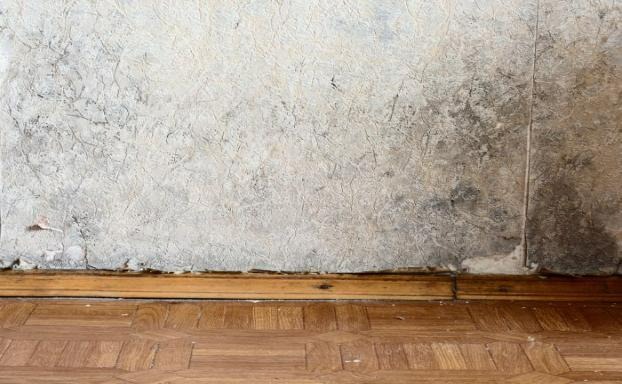
Foundation movement often occurs gradually. Small cracks, uneven floors, or doors that stick may seem like minor inconveniences at first. However, these signs can indicate that portions of the home are no longer resting evenly on the foundation. House Leveling is a solution that helps restore proper alignment and support when settlement or shifting occurs. By correcting structural imbalances, homeowners can improve both the safety and functionality of their living environment.
Scheduling house leveling in Shreveport at the first sign of uneven floors or foundation movement can help homeowners maintain a safer, more stable, and comfortable living environment.
What Causes a Home to Fall Out of Level?
Several factors can contribute to foundation movement over time. One of the most common causes is changing soil conditions beneath the home. Soil naturally expands when it absorbs moisture and contracts when it dries. These repeated cycles can create movement beneath the foundation.
Poor drainage can also contribute to settlement issues. When water accumulates around the foundation, it may weaken supporting soil and affect structural stability. Seasonal weather changes often intensify these effects, especially in areas with fluctuating moisture levels throughout the year.
Natural settling is another factor. While some settling is expected as homes age, excessive or uneven settling can create noticeable structural concerns that require attention.
Small Changes Around the House That Shouldn’t Be Ignored
Many homeowners notice signs of foundation movement before serious structural damage develops. Uneven floors are among the most common indicators. Floors may begin to slope slightly or feel uneven when walking through the home.
Cracks in walls, ceilings, and flooring may also suggest foundation settlement. Doors and windows that suddenly become difficult to open or close properly can indicate shifting within the structure. Some homeowners notice gaps around door frames or separation between walls and ceilings.
Recognizing these warning signs early allows homeowners to address foundation concerns before they become more severe. House Leveling can often help restore stability when problems are identified promptly.
Why Structural Balance Matters for Everyday Safety
A stable foundation is essential for maintaining structural safety throughout the home. When portions of the structure settle unevenly, additional stress may develop on walls, support beams, and flooring systems.
Over time, continued movement can place strain on critical structural components. This may contribute to larger cracks, additional settlement, and further deterioration if left unaddressed.
House leveling helps restore balance to the structure by correcting uneven settlement. Redistributing weight more evenly throughout the home supports long-term structural performance and helps maintain a safer living environment.
How Uneven Foundations Can Affect Daily Living
Structural problems do not only affect safety. They can also influence how comfortable a home feels on a daily basis. Uneven floors, sticking doors, and visible cracks in the walls may frustrate homeowners and undermine confidence in the property’s condition.
A properly leveled home often feels more stable and functional. Doors and windows may operate more smoothly, flooring may feel more even, and living spaces may become more enjoyable to use.
House Leveling contributes to a more comfortable environment by helping restore proper alignment throughout the structure. Improved stability often leads to a better overall living experience.
Stopping Minor Structural Issues From Becoming Bigger Repairs
Foundation movement rarely remains isolated to one area. As settlement continues, it can affect other parts of the home, including walls, ceilings, flooring materials, plumbing systems, and exterior surfaces.
Small structural concerns may gradually develop into larger repair projects if movement is allowed to continue. Addressing foundation issues early helps reduce stress on surrounding materials and limits the potential for additional damage.
By restoring proper support, house leveling helps protect various components of the home from ongoing structural movement. Early intervention often reduces future maintenance needs and repair expenses.
The Impact of Foundation Stability on Property Value
The condition of a home’s foundation plays a major role in determining the property’s overall value. Buyers often pay close attention to signs of structural concerns when evaluating a home. Visible settlement issues may reduce confidence and affect resale opportunities.
Homes with stable foundations are generally viewed more favorably because they present fewer long-term concerns. Addressing settlement problems demonstrates responsible maintenance and a commitment to protecting the property.
House Leveling helps preserve property value by supporting structural integrity and reducing concerns about future foundation issues. Maintaining a stable home protects both comfort and investment value.
Knowing When Professional Evaluation Makes Sense
Homeowners should consider a professional evaluation when they notice uneven floors, cracks in walls, sticking doors, or other signs of settlement. Even seemingly minor changes can indicate larger structural concerns developing beneath the surface.
Routine inspections help identify foundation issues before significant damage occurs. Professional assessments provide valuable insights into the condition of the home and the most effective repair options.
Taking action early helps preserve structural safety, maintain comfort, and support long-term property protection.
Conclusion
House leveling helps restore alignment, improve comfort, support structural safety, and preserve property value. By addressing foundation issues early, homeowners can create a stronger, more reliable living environment while reducing the risk of future damage.
If your home is showing signs of settlement, uneven floors, or structural movement, professional support can help. The experienced team at Shreveport Foundation Repair Specialists provides dependable house leveling solutions that restore stability, enhance comfort, and protect long-term structural performance. Contact Shreveport Foundation Repair Specialists today to learn how house leveling can help create a safer and more comfortable living environment.